Emergency Panel Replacement After a Safety Shutdown
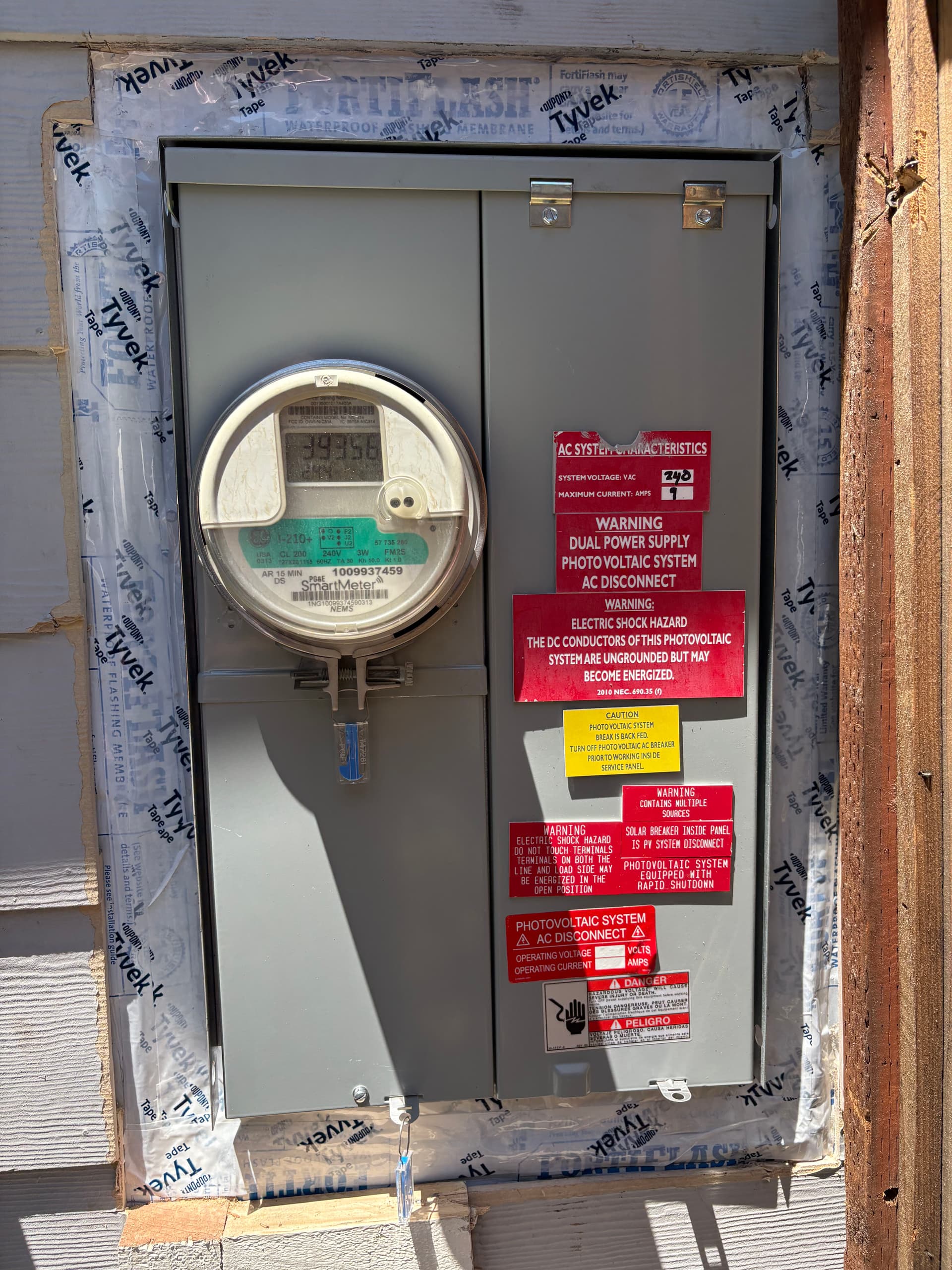
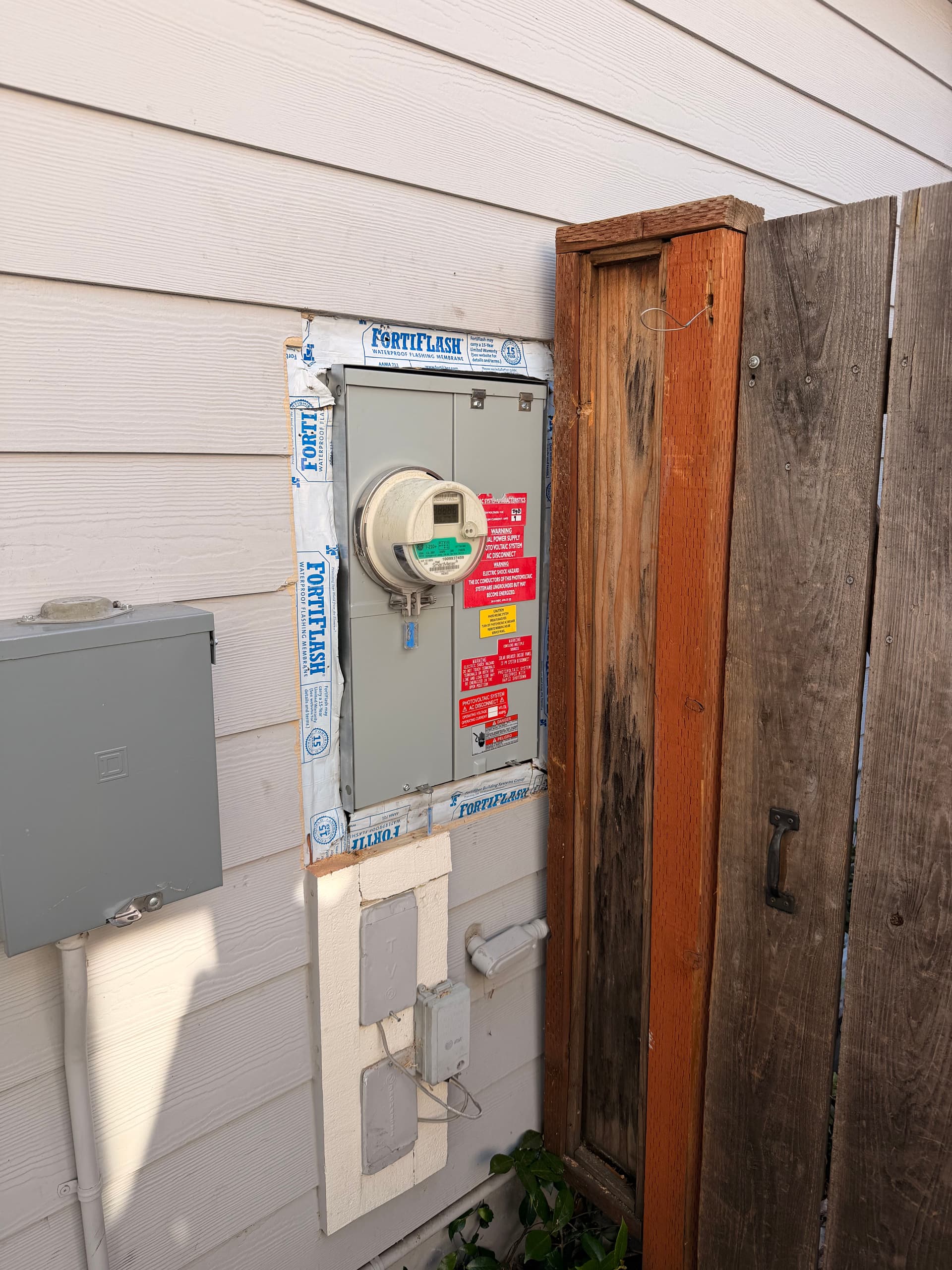
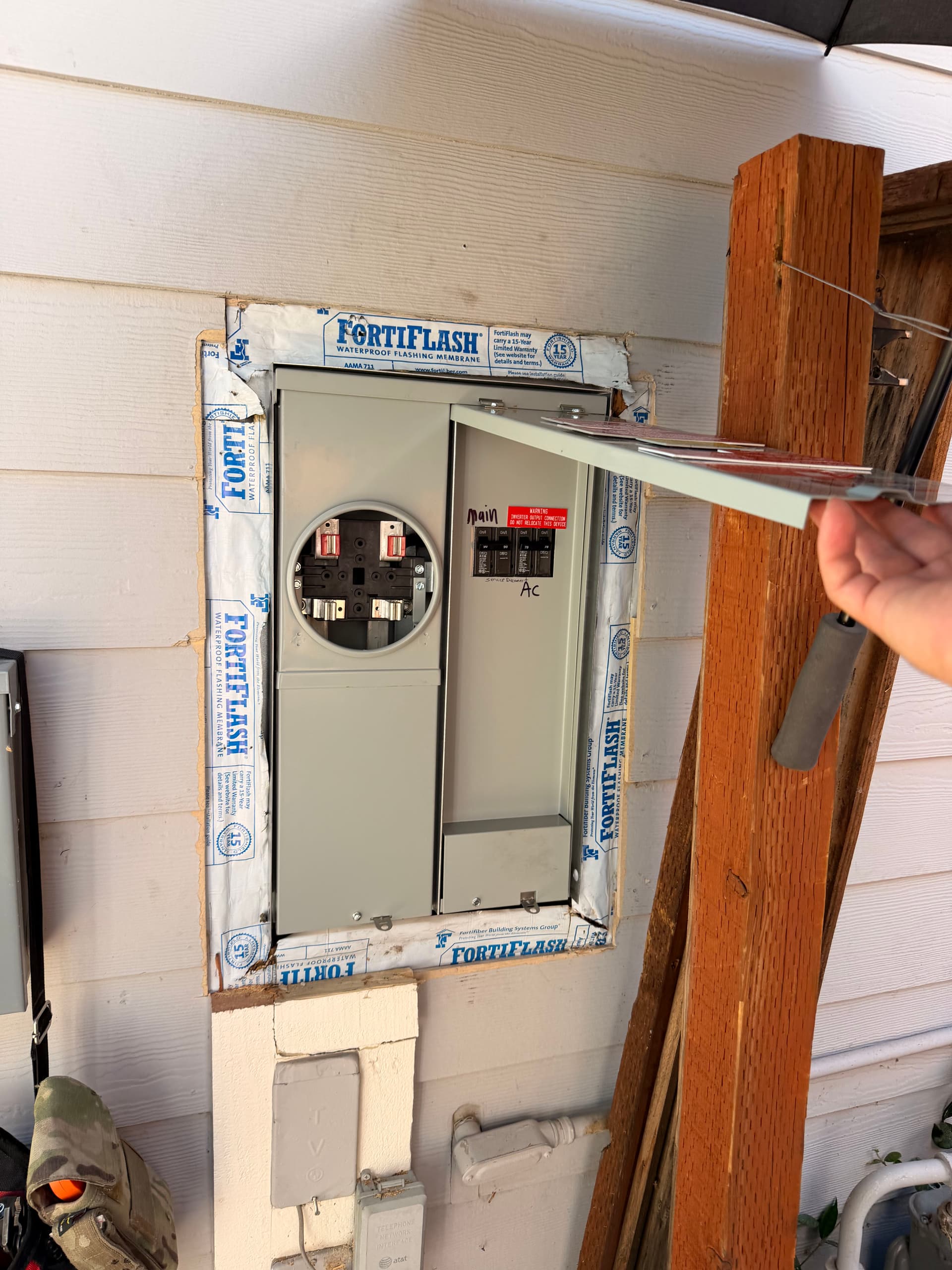
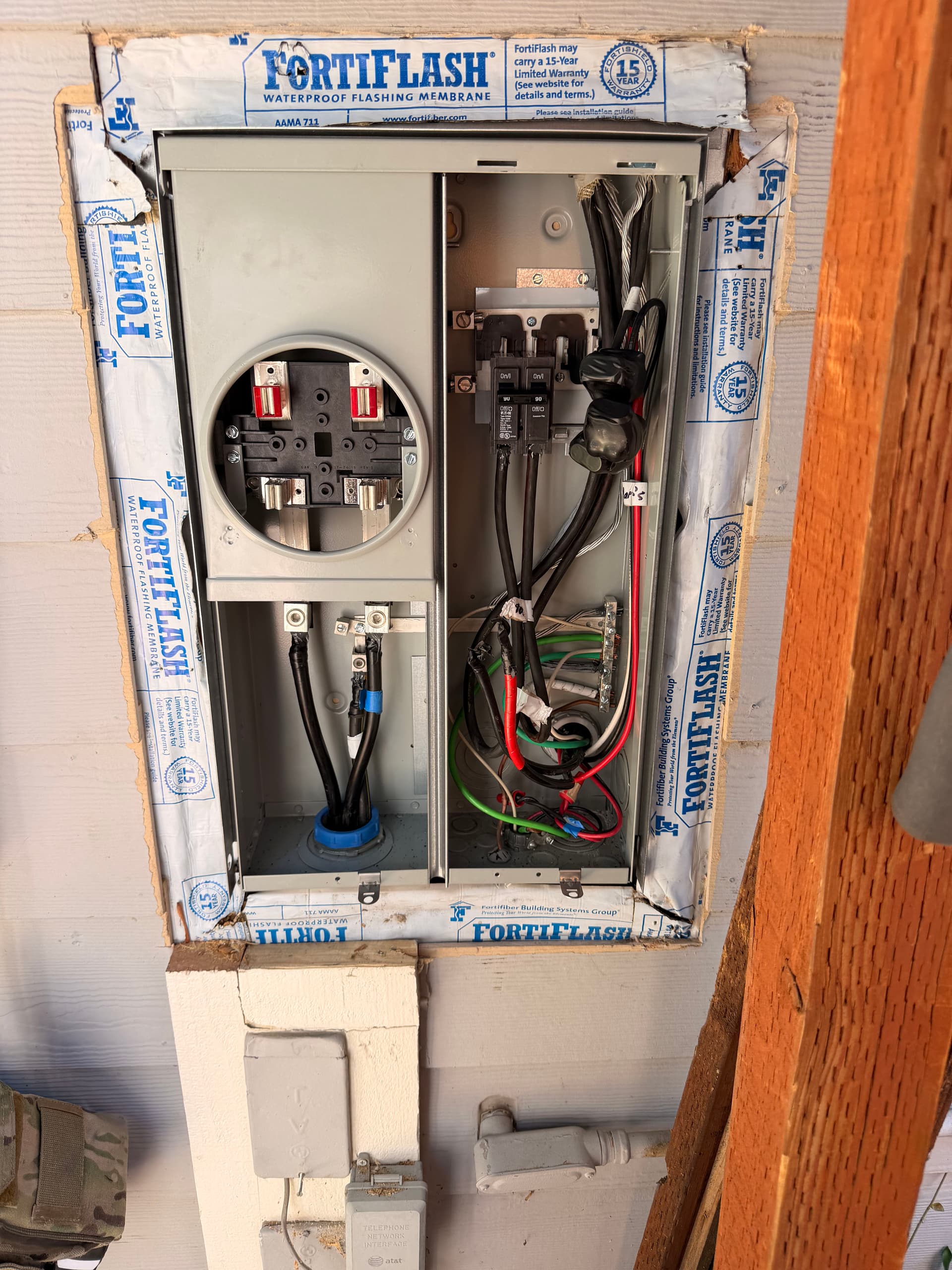
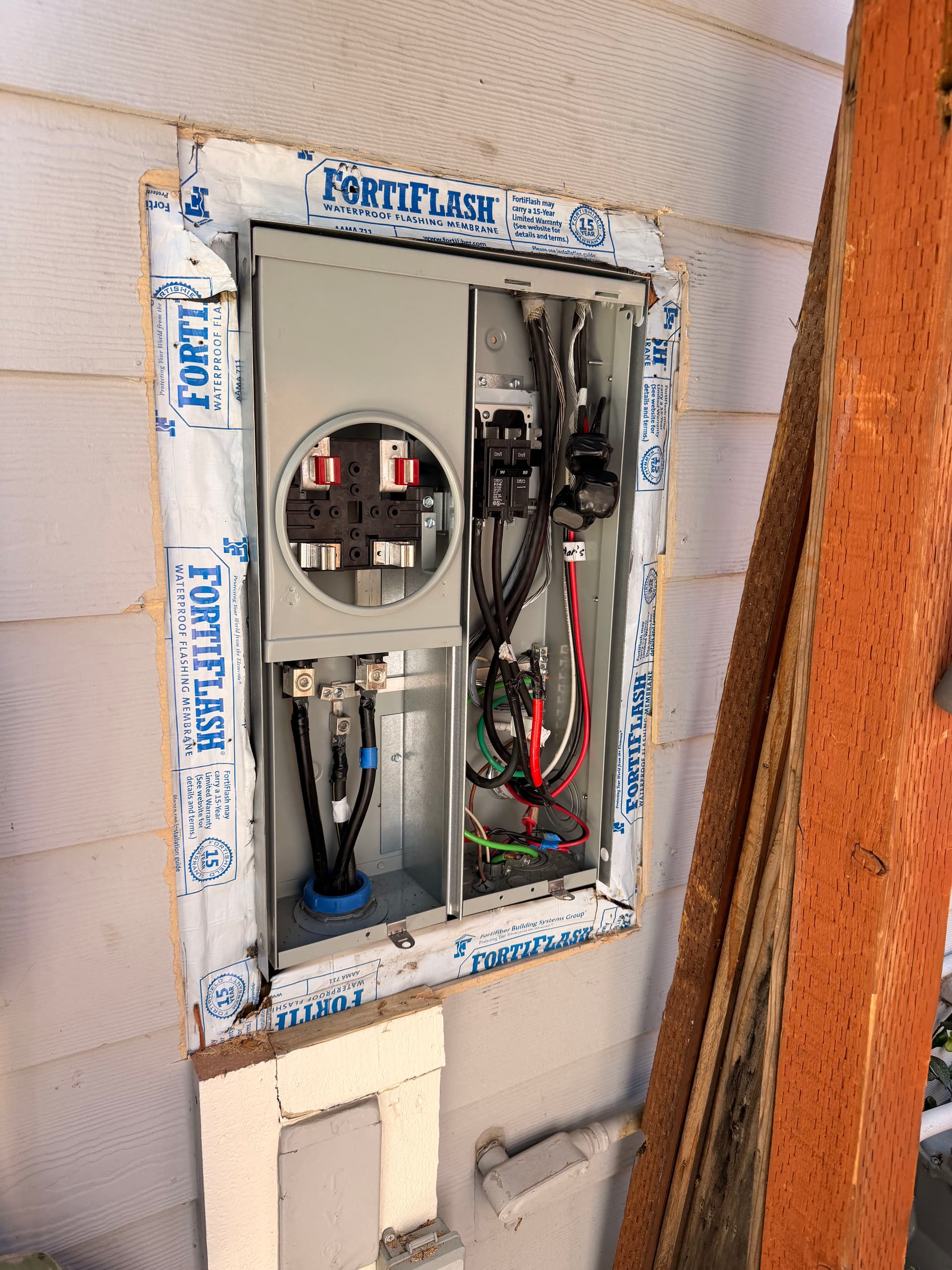
When a panel gets shut down for safety reasons, there's no sitting on it. The power is out, the home is down, and every hour matters. That's exactly the situation we walked into on this job - a failed panel that had already been pulled from service, and a customer who needed safe, code-compliant power restored fast.
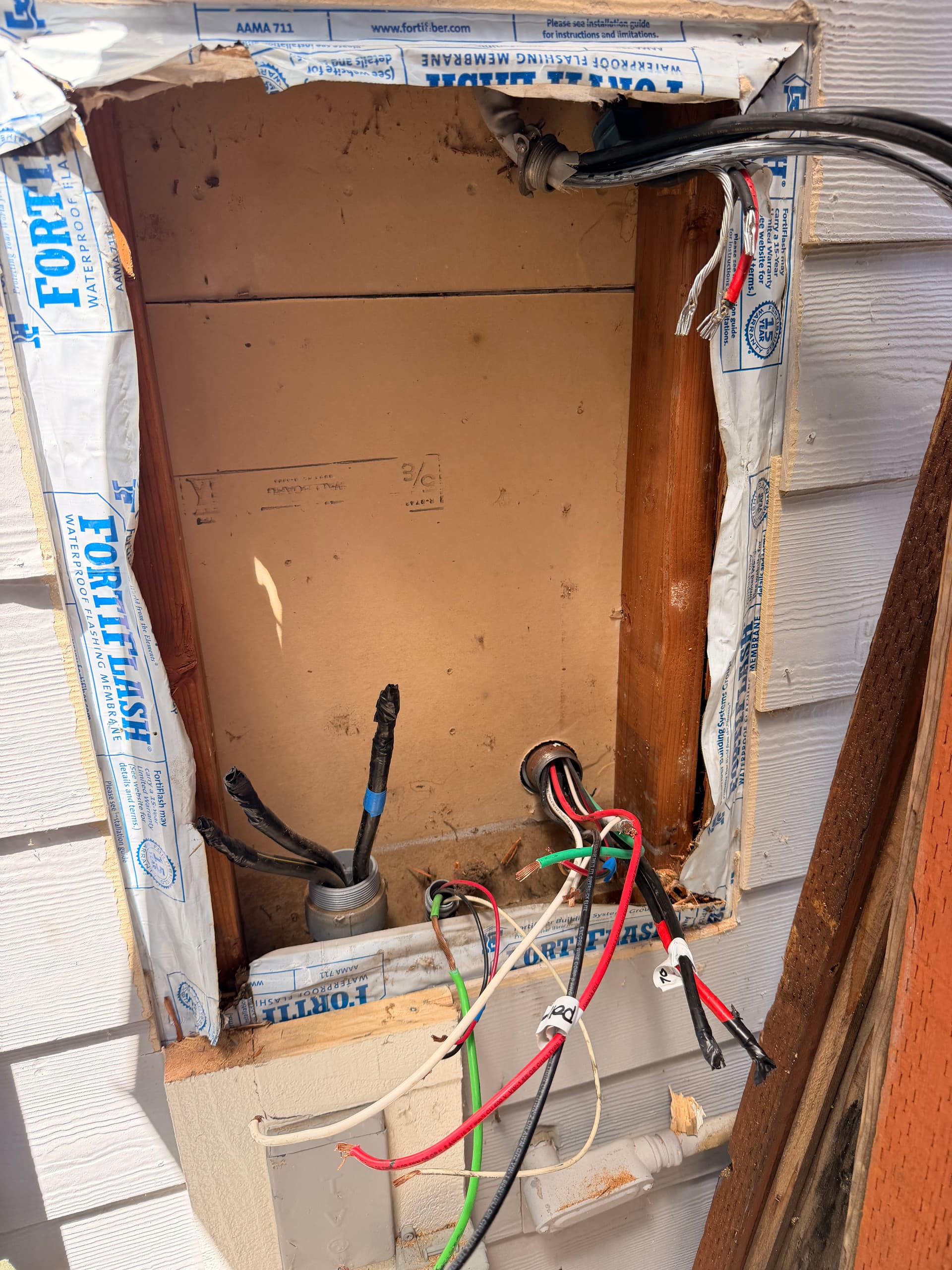
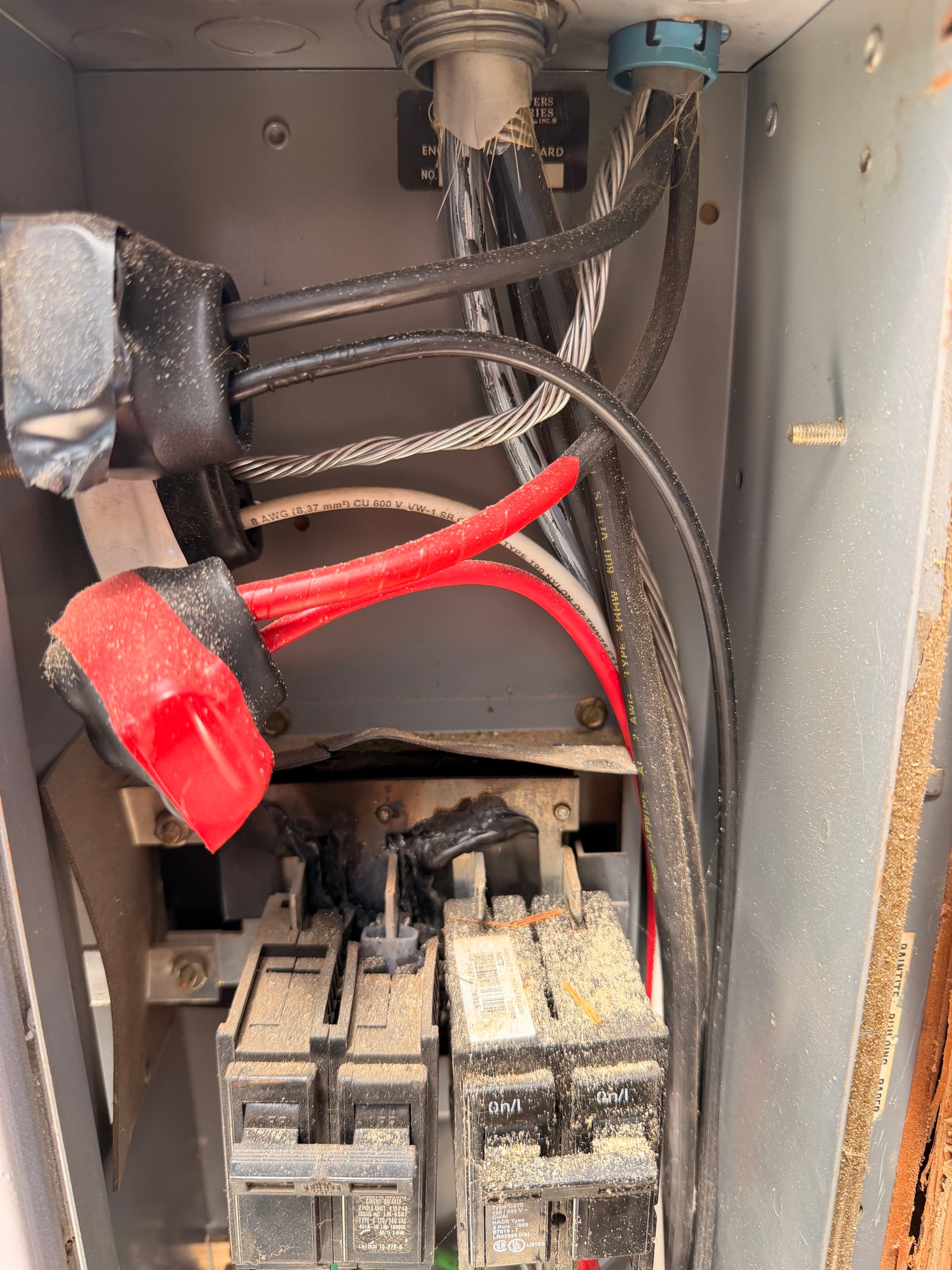
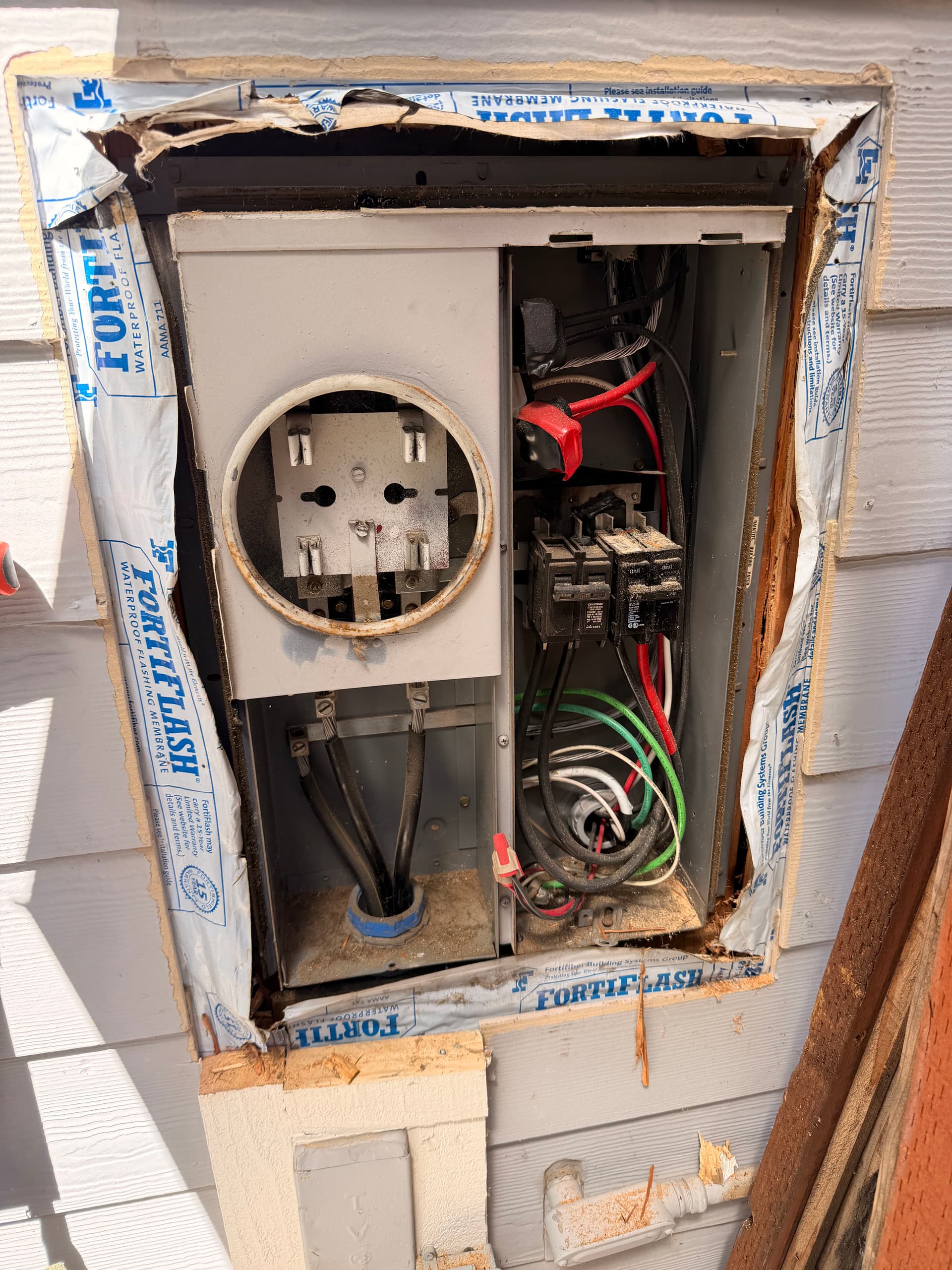
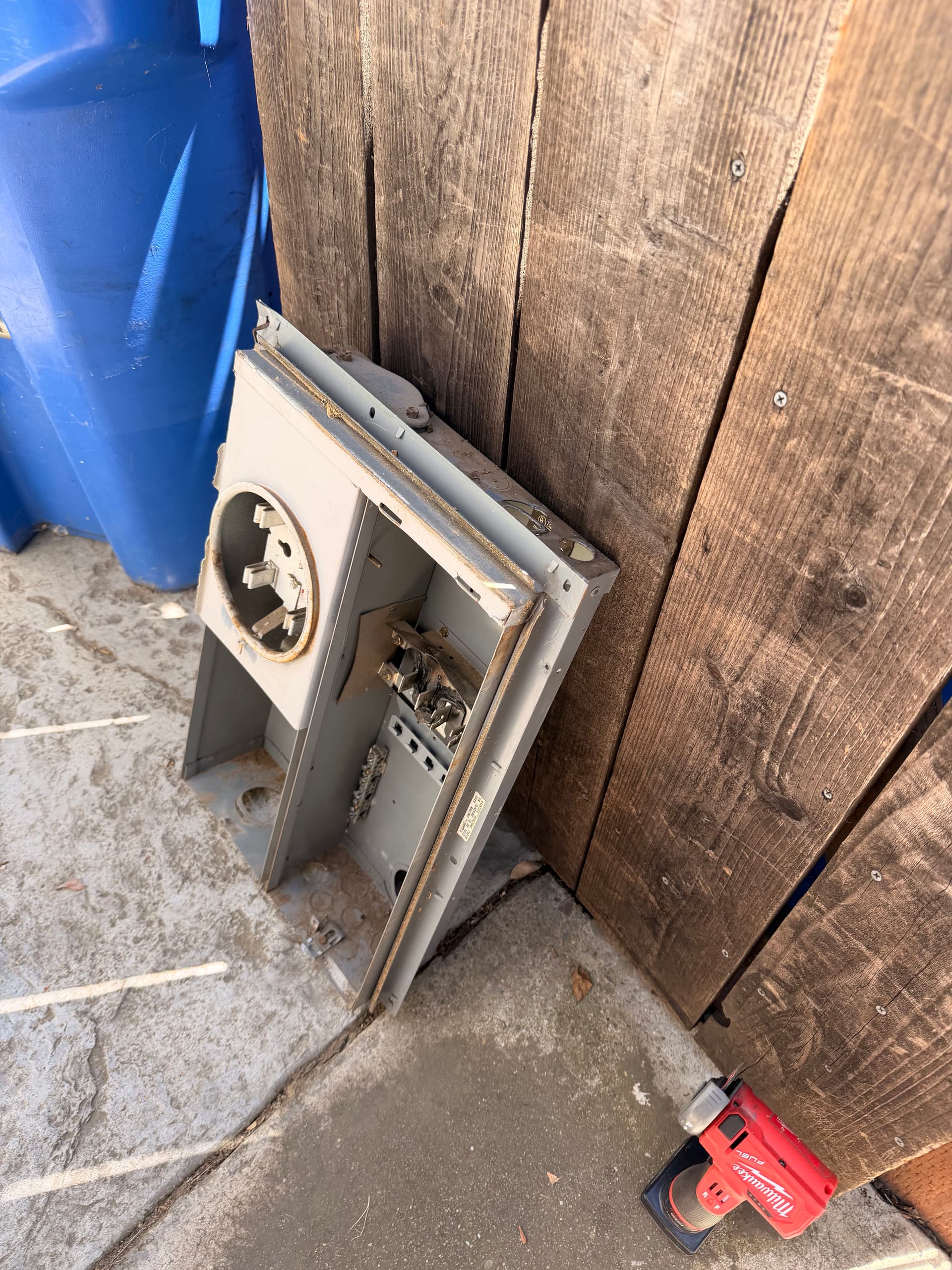
Here's what we were working with when we opened things up. The old panel had visible burn damage on the breakers - melted plastic, scorched terminals, the works. That kind of heat buildup inside a panel is a serious fire hazard. It doesn't always announce itself with tripped breakers or flickering lights. Sometimes it just quietly builds until something fails hard.
The old enclosure came out completely. Once the cavity was cleared, we could see the full picture - aged wiring, deteriorated connections, and a setup that had simply run its course. This home also had a photovoltaic solar system tied into the service, which adds another layer of complexity. Dual power supply situations require careful handling, proper labeling, and breakers that are rated and positioned correctly for both the grid feed and the solar AC disconnect. We made sure every aspect of that was handled to code before the new panel went in.
The new panel went in clean - fresh meter socket, new enclosure, properly landed conductors, and all the required safety labeling in place. No shortcuts. When you're dealing with a panel that has a solar system tied to it, the stakes for getting it right are higher than a standard replacement. We took the time to do it correctly so this customer isn't dealing with this again anytime soon.
If your panel is making noise, running hot, tripping breakers randomly, or has simply never been looked at - that's worth paying attention to. Panels don't always fail dramatically. But when they do, you want someone who can move fast and do the job right the first time.