Landscape Lighting Repair - Splice Fix and Fixture Swap
Outdoor lighting systems fail for a handful of reasons, and most of them aren't obvious from the surface. A light stops working, you assume it's a bad bulb, maybe swap it out - and nothing changes. That's usually when we get the call.
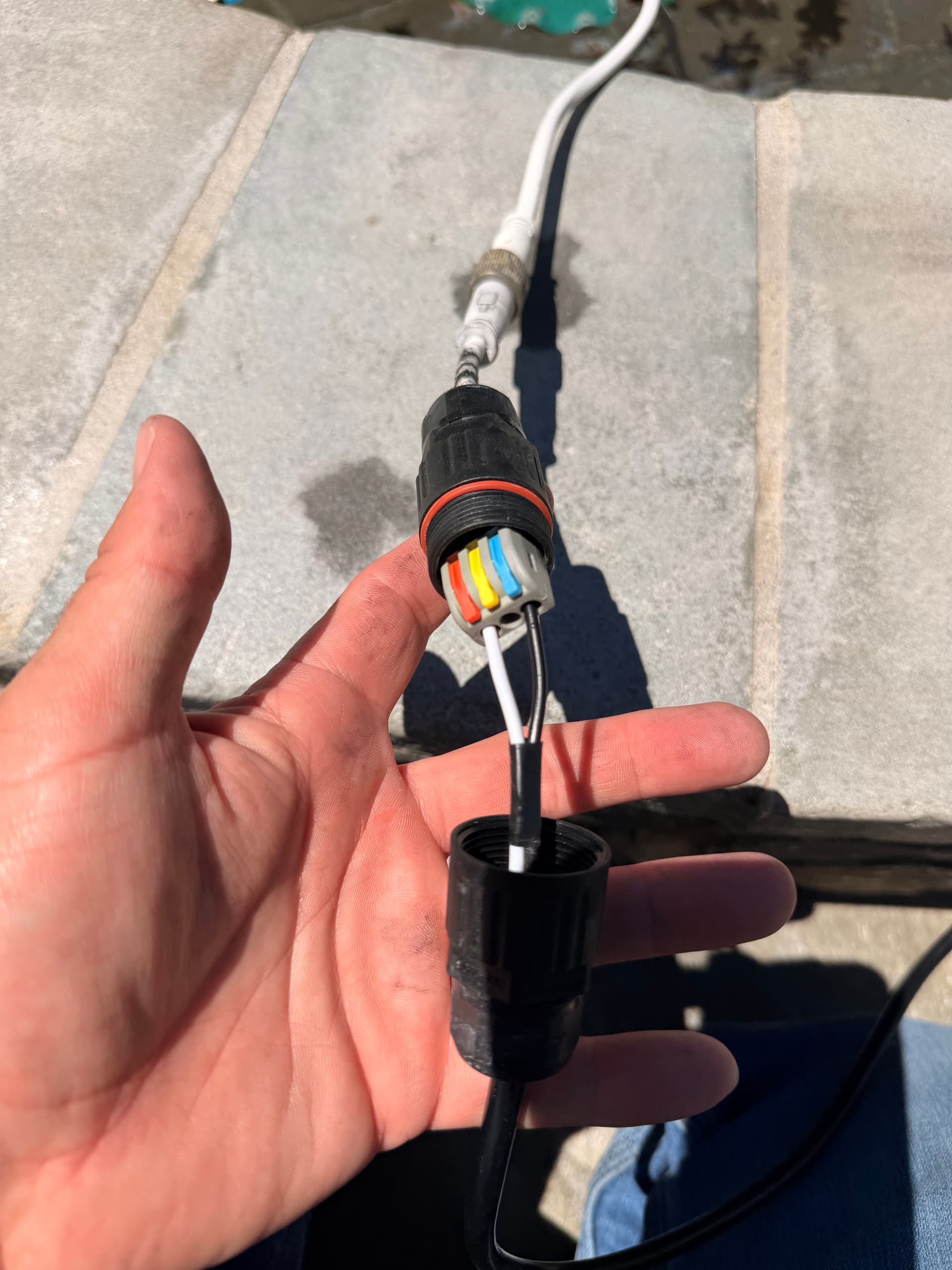
Here's what we were working with on this one: a failed splice connection and a fixture that had given up. The worn splice was the real culprit. When connections like that break down, it cuts power to the fixture entirely. No connection, no light. We opened it up, repaired the splice properly, and got a solid waterproof seal back on it.
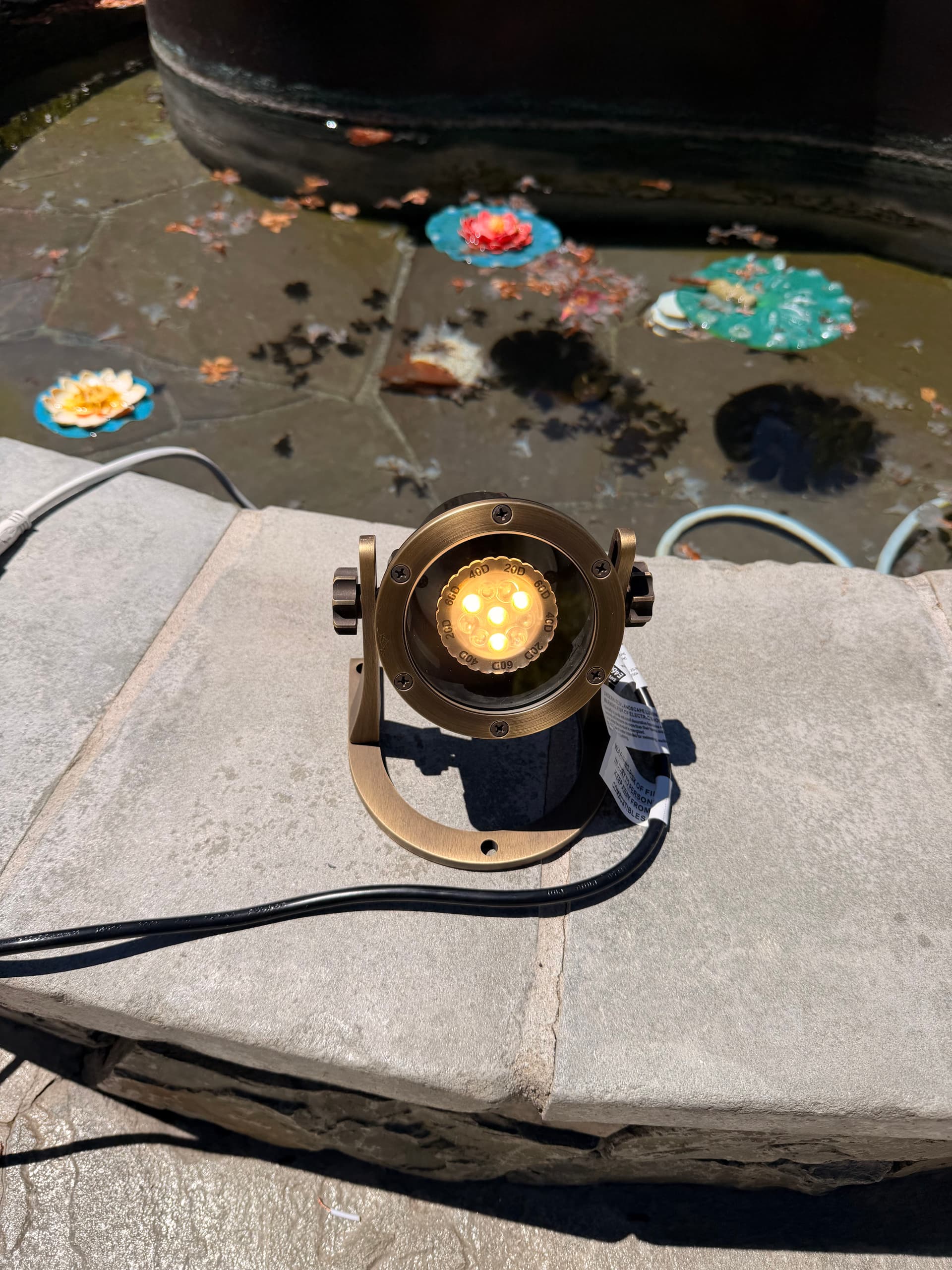
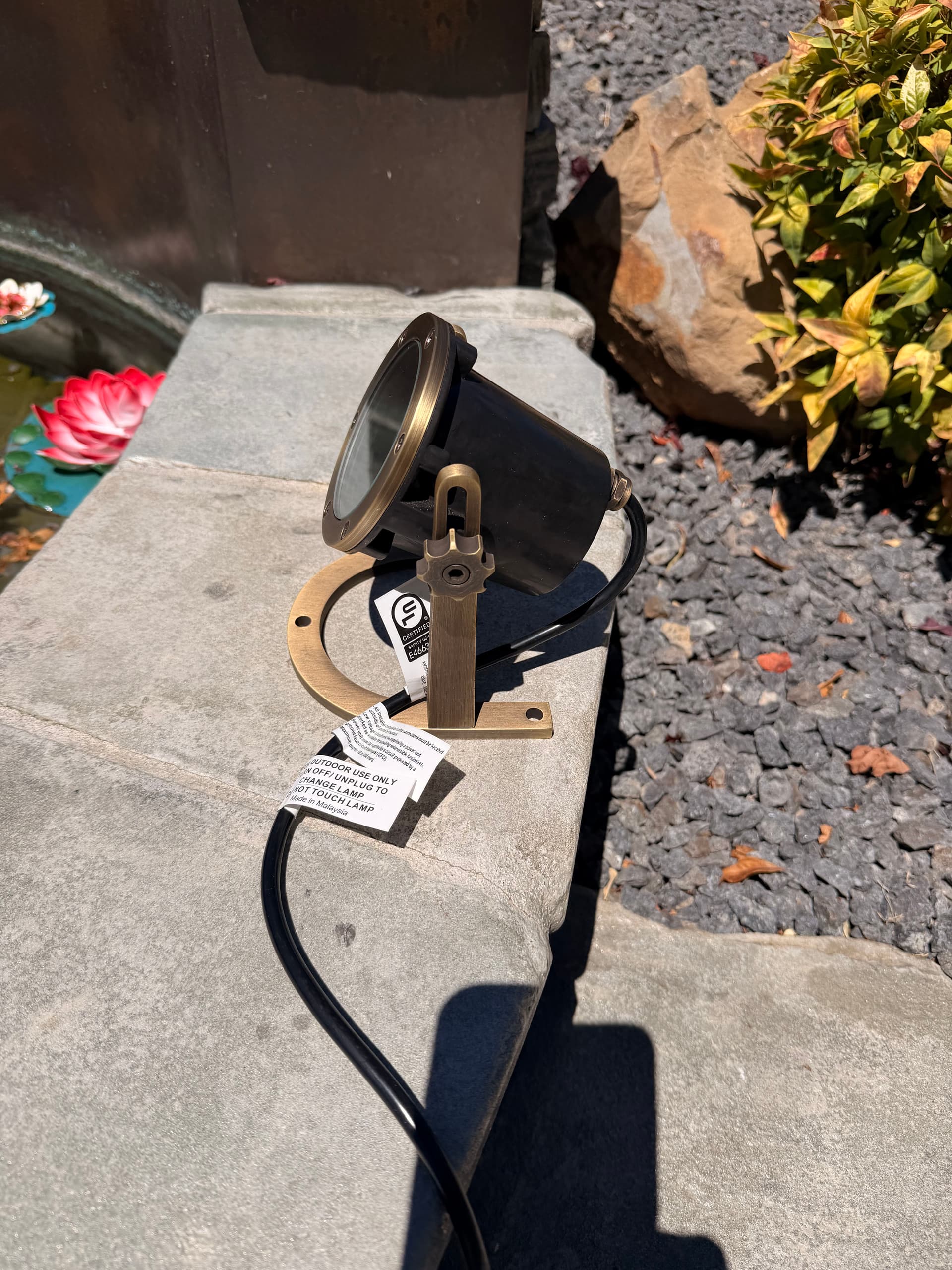
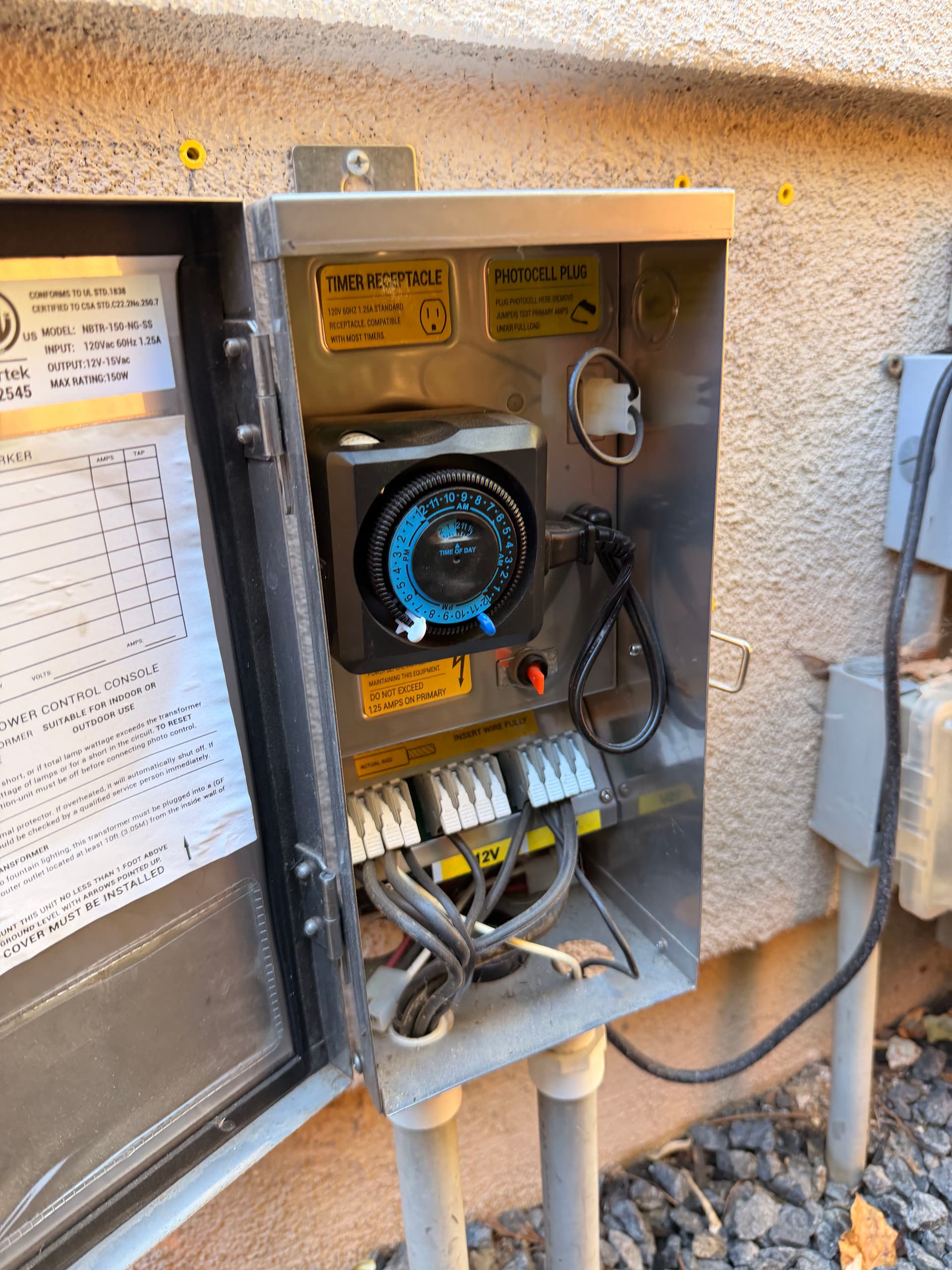
We also swapped in a new brass LED fixture to replace the one that failed. That low-voltage transformer you see mounted to the wall - with the analog timer and photocell plug - controls when the whole system runs. Getting the new fixture dialed in and connected through that system is what brings everything back online the right way.
The fix itself is straightforward when you know what you're looking for. But a lot of homeowners spend time guessing - replacing bulbs, adjusting timers - when the real problem is a degraded connection buried somewhere in the run. That's where knowing the system matters.
Landscape lighting issues almost always trace back to something small that snowballed. Worn connections, failed fixtures, water intrusion at the splice - these are the usual suspects. We track them down, fix them correctly, and leave the system running the way it should.