Main Electrical Panel Load Test - Is Yours Keeping Up?
Most homeowners never think about their electrical panel - until something goes wrong. A tripped breaker here, a flickering light there. Those small signs can point to a bigger issue with how your panel is handling the load being put on it. That's exactly what we wanted to get ahead of on this one.
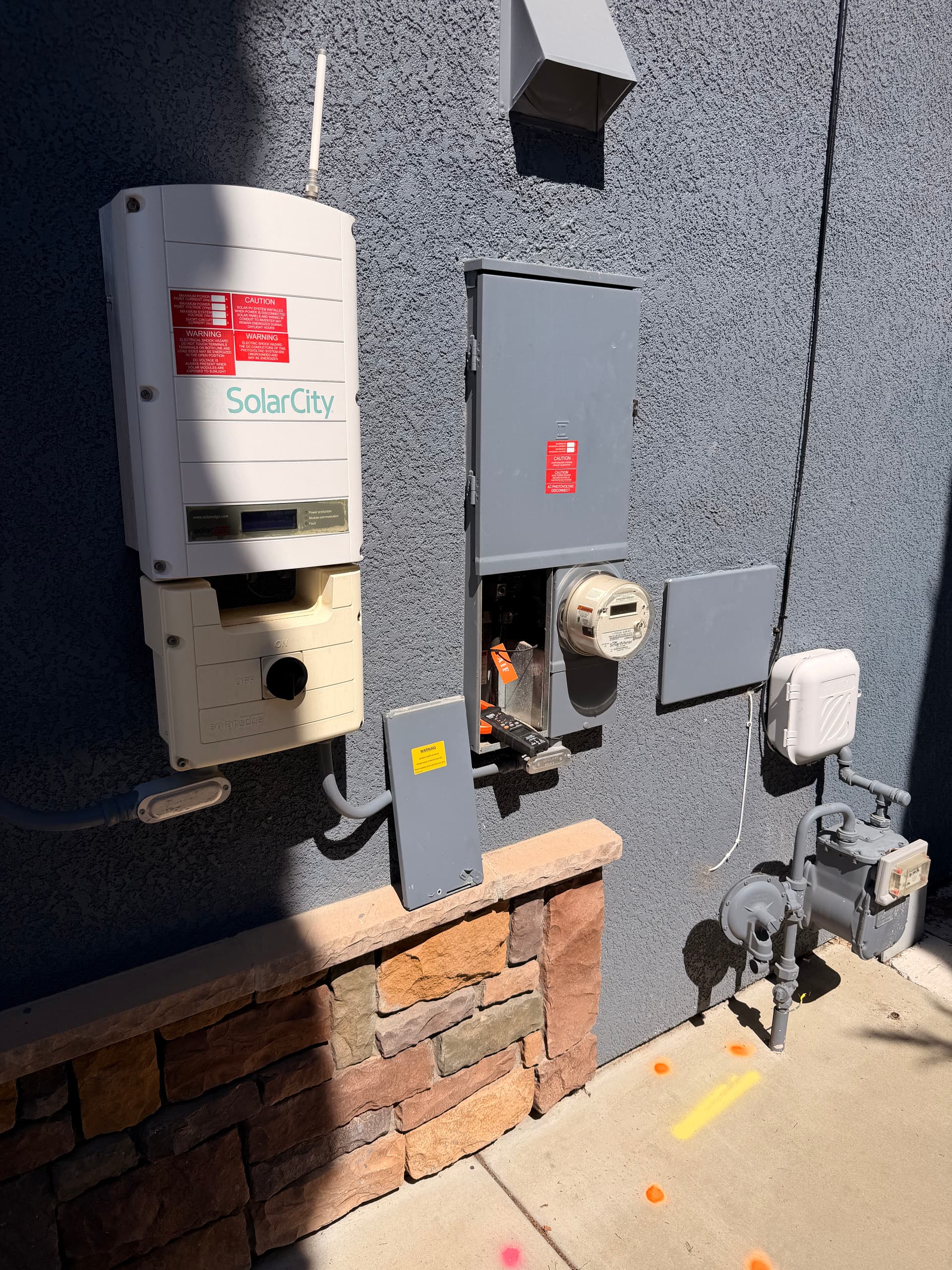
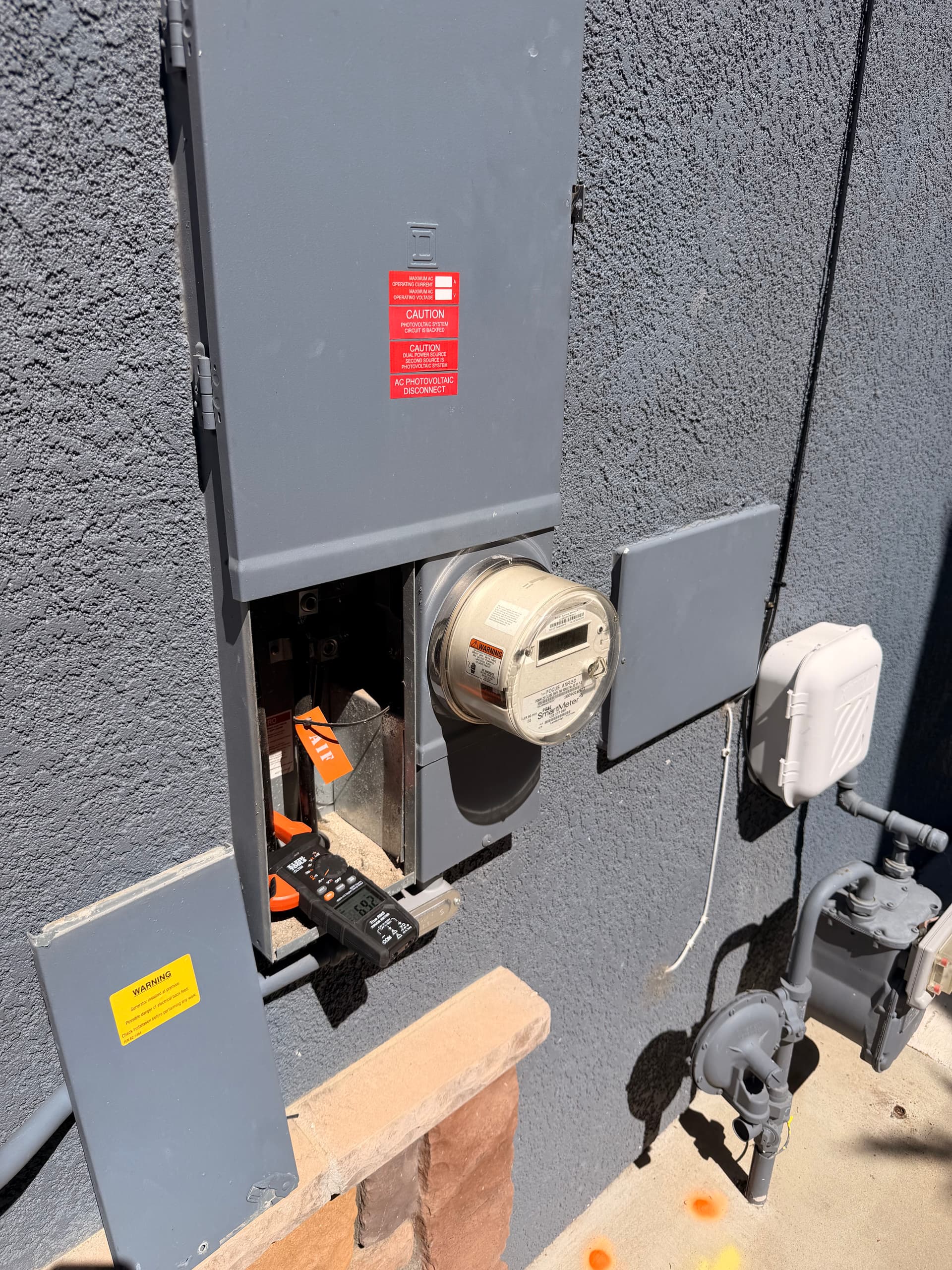
We ran a full load test on the main panel here, which is tied into a solar setup as well. That adds a layer of complexity. You've got power coming in from the grid and power feeding back from the solar inverter, and the panel has to manage all of it cleanly. Making sure everything is balanced and within safe operating range isn't optional - it's essential.
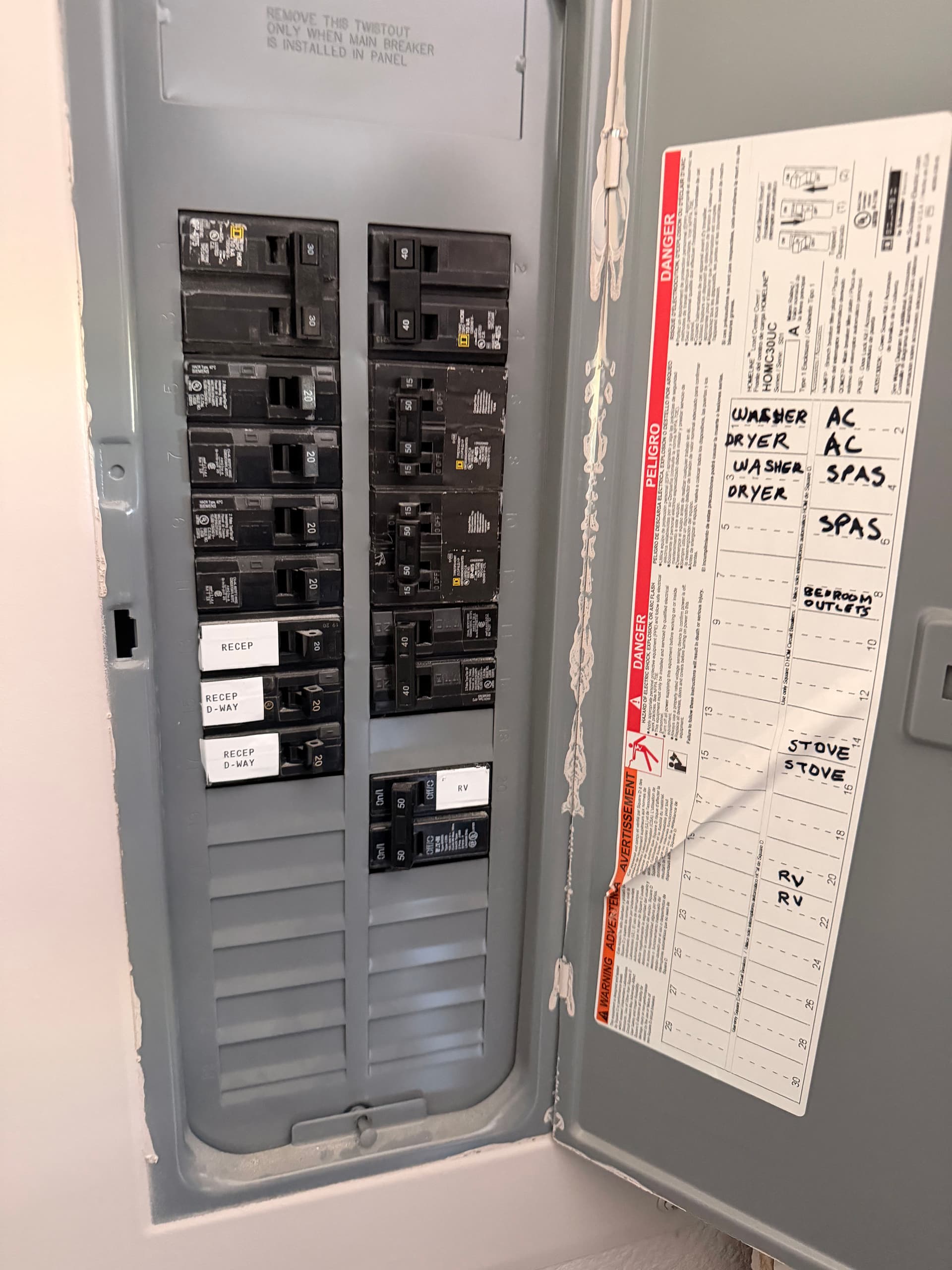
The breaker directory tells the story of just how much this panel is responsible for. Washer, dryer, two AC units, spas, stove circuits, RV hookup, and general receptacles. That's a serious load. When you stack all of that on one panel, you need to know it can actually handle it without running hot or creating conditions that lead to bigger failures down the road.
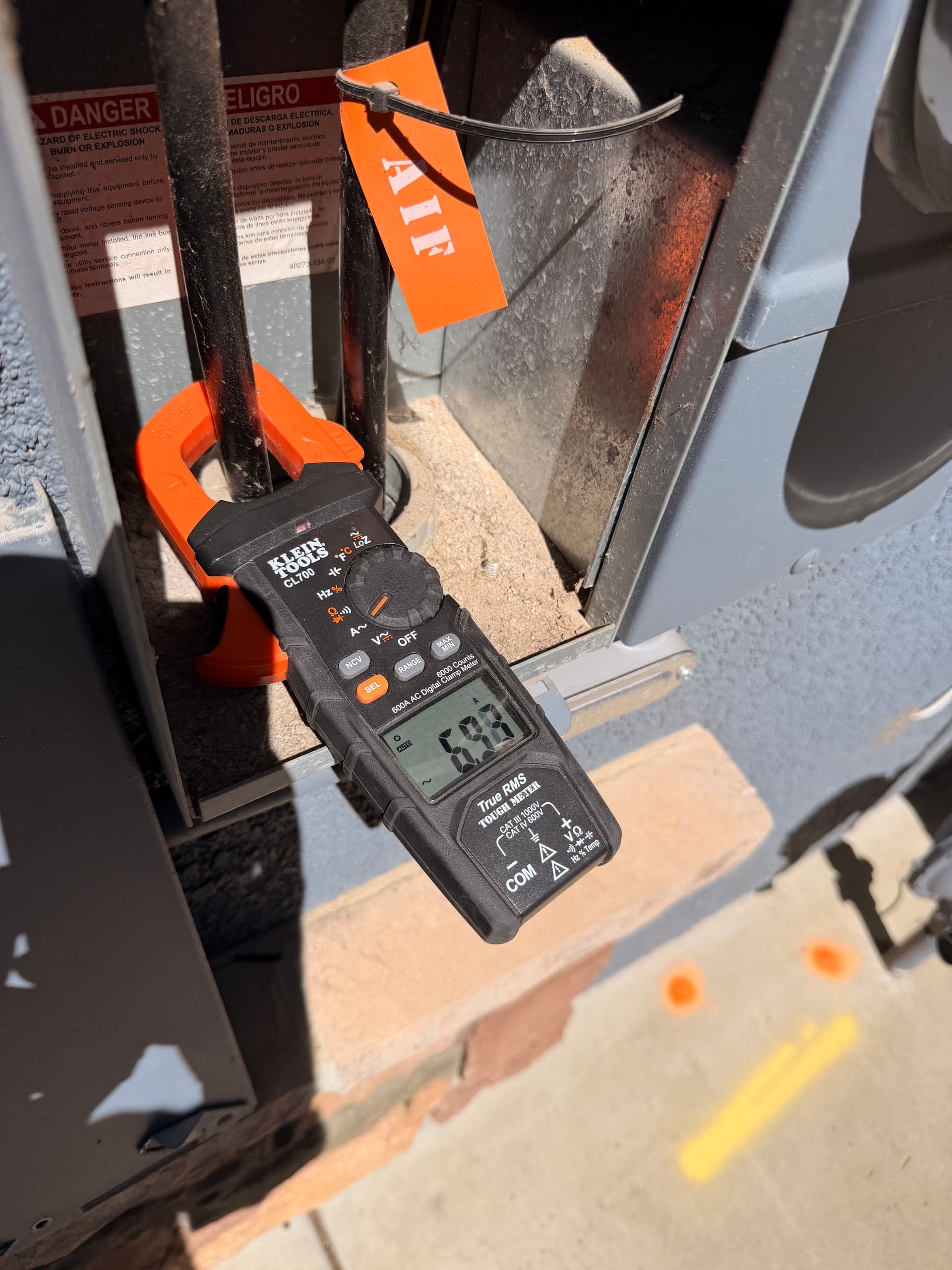
Using a True RMS clamp meter, we were able to measure actual current draw on the live conductors without having to interrupt power. That kind of testing gives us real data - not guesses. If something is pulling more than it should, or if a breaker isn't responding the way it's rated to, we'll catch it here. That's what panel troubleshooting looks like when it's done right.
A panel inspection like this is one of the most straightforward ways to protect your home and everything running inside it. Whether you have solar, an older panel, or just a lot of high-demand circuits, getting eyes on it with the right tools is worth it. Don't wait for a problem to show up before you start asking questions.