Why the Right Breaker Size Matters for Your Tesla Level 2 Charger
A Level 2 home charger is one of the best upgrades you can make as an EV owner. But the charger itself is only part of the equation. What's behind the wall - specifically the breaker feeding it - matters just as much as the unit mounted in your garage.
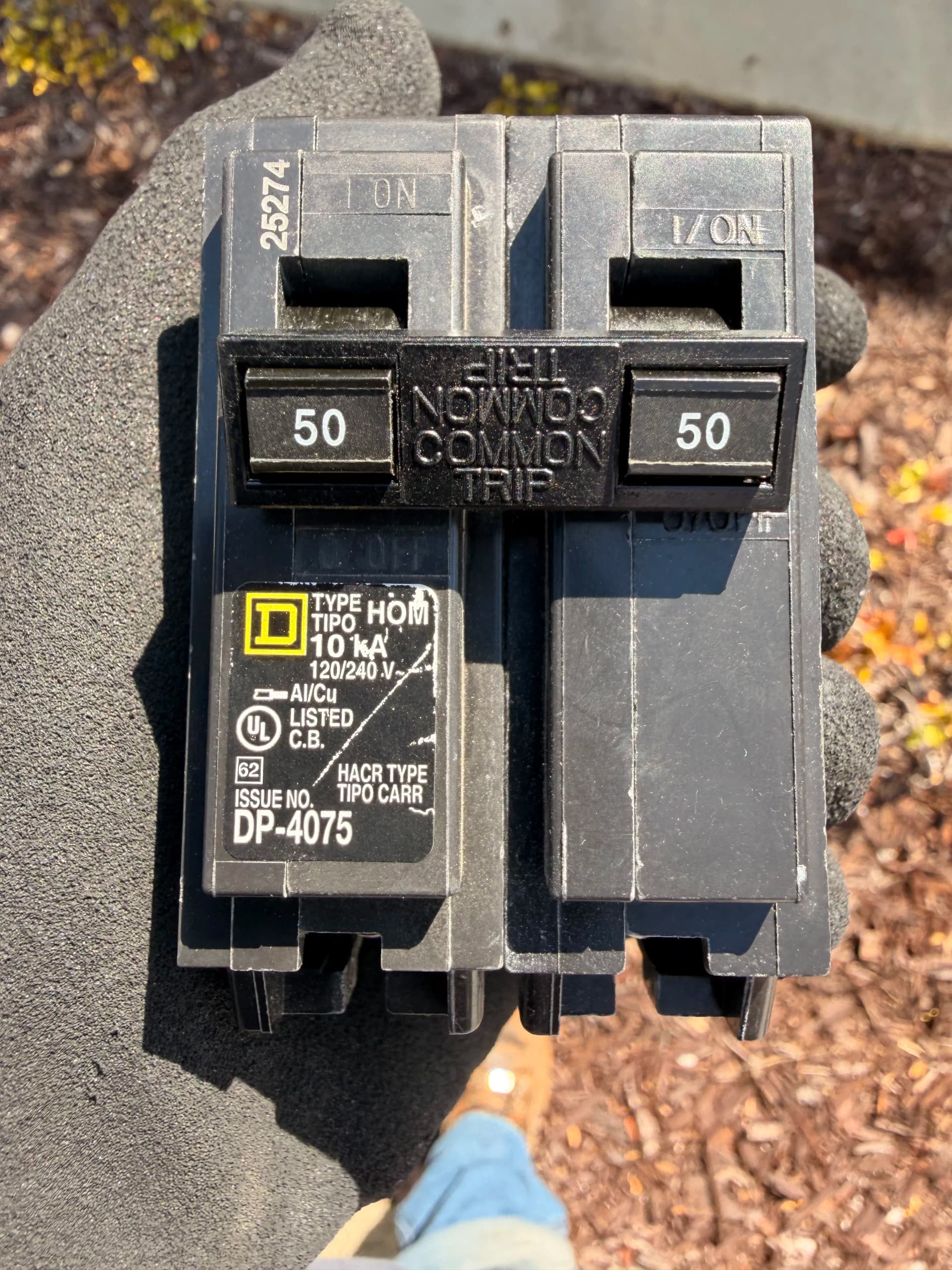
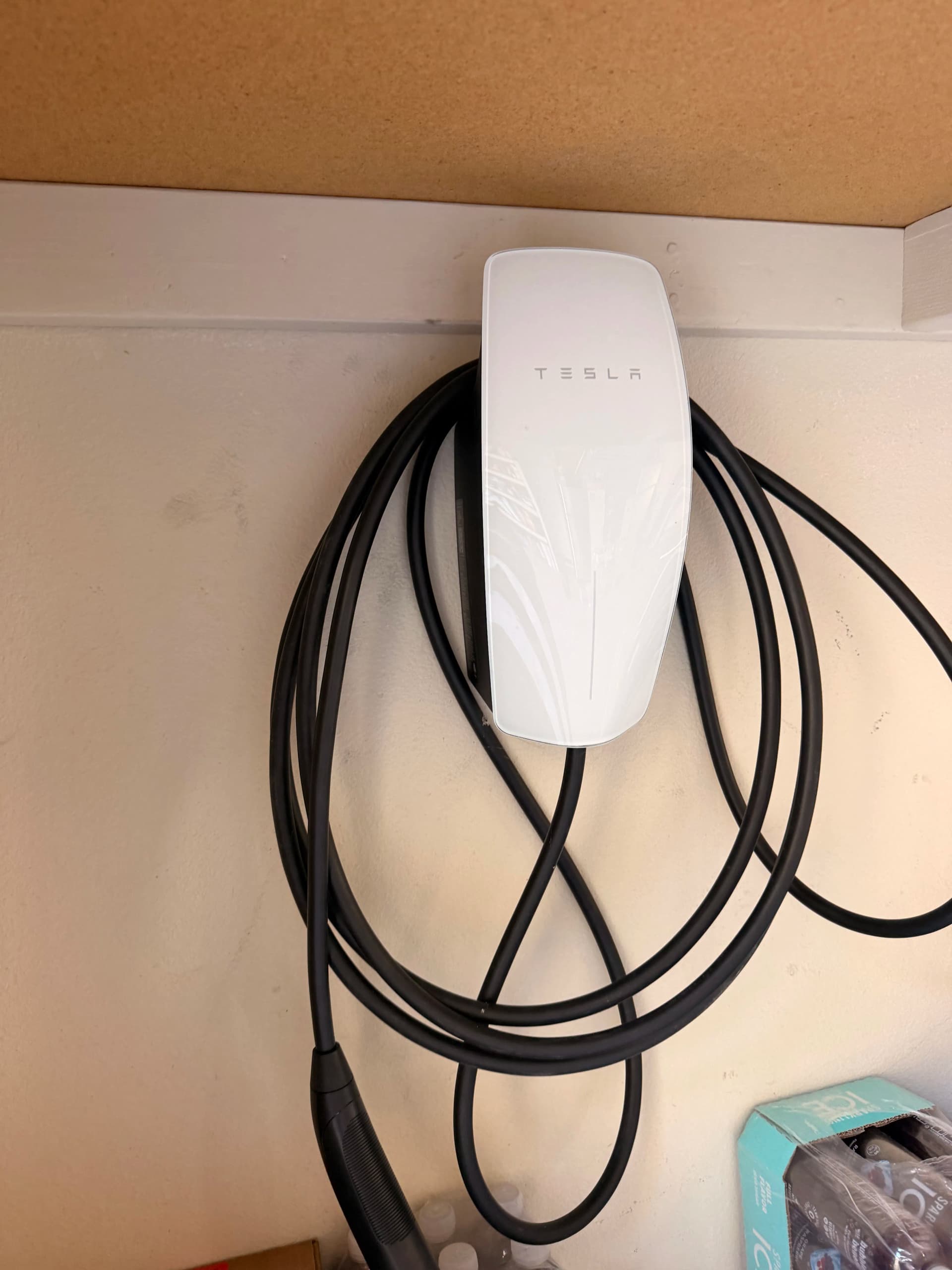
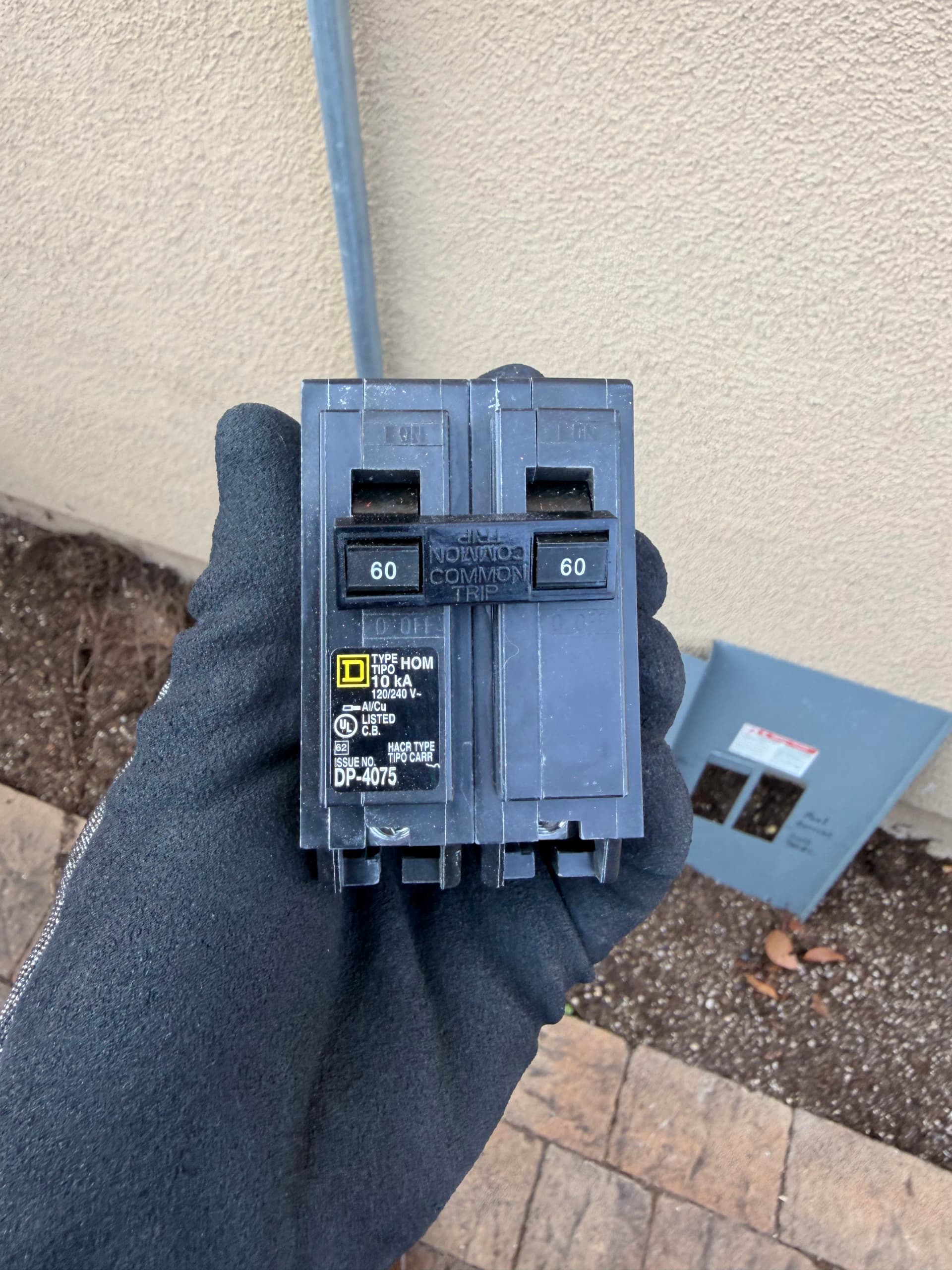
Here's what we were working with on this one. The Tesla Wall Connector was already installed, but the breaker feeding it was a double-pole 60-amp Square D HOM - more than what that charger actually calls for. The Tesla Wall Connector is rated to run on a 50-amp dedicated circuit. That means the correct breaker is a double-pole 50-amp, which is exactly what we swapped in. It's a simple detail that a lot of people overlook, but it's the kind of thing that protects both the charger and your home's wiring over the long run.
Oversized breakers don't offer extra protection - they actually do the opposite. A breaker is designed to trip before the wiring it protects overheats. If the breaker is rated too high for the circuit, it won't trip when it should. That's not a scare tactic, it's just how the math works. Getting the sizing right is a basic but critical part of any EV charger installation.
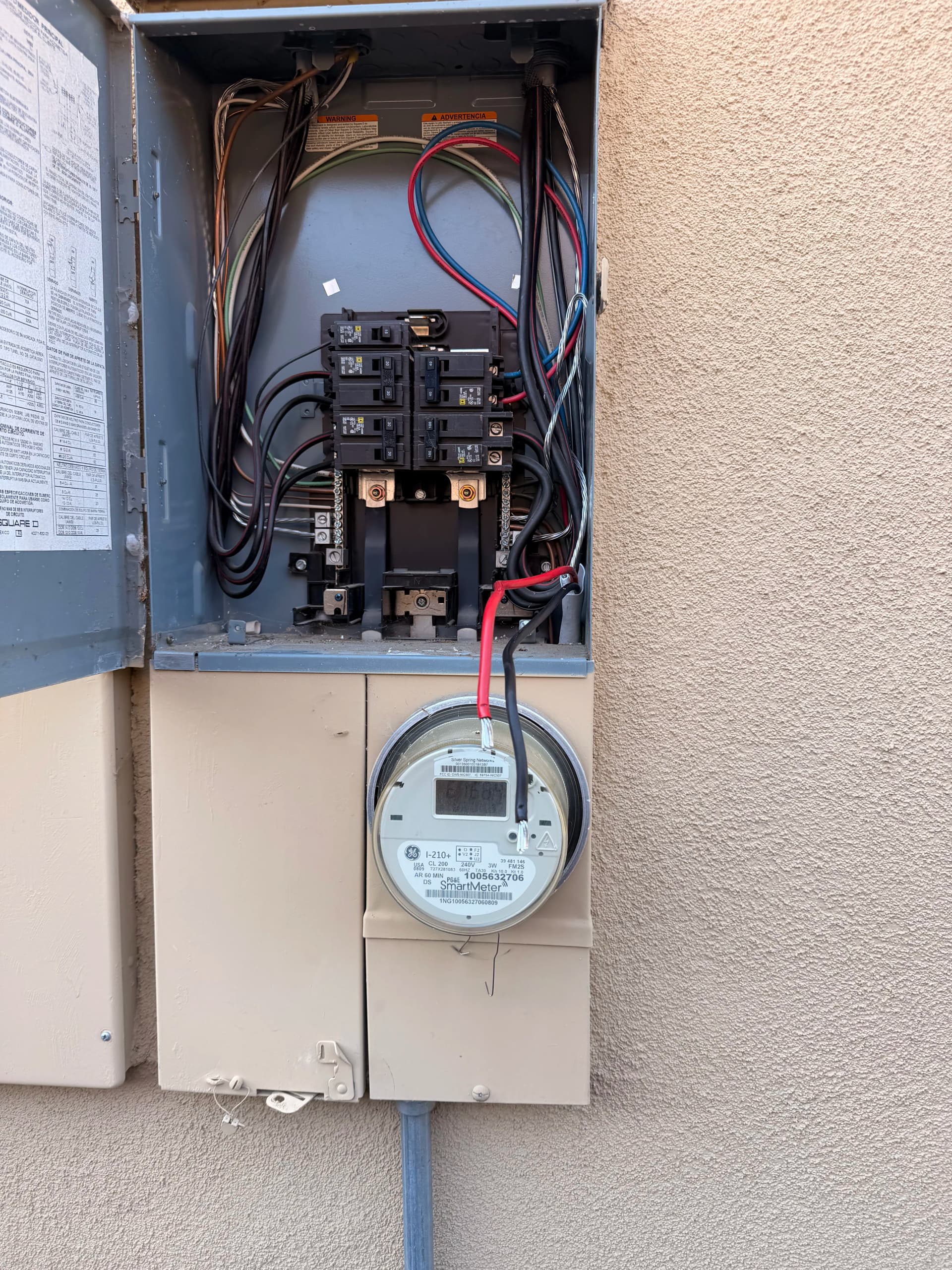
We handle this as part of every EV charger install and inspection we do. Whether you're starting from scratch or you had someone else run the circuit and want it double-checked, we'll make sure the breaker, wiring, and panel connection are all matched up correctly. No guesswork, no oversizing, no cutting corners.
If your EV charger setup was installed by someone who wasn't a licensed electrician - or if you're just not sure what's behind that breaker - it's worth a quick look before any issue has a chance to develop into something bigger.